Understanding Amusia: What is Being Tone Deaf?
Discover what being tone deaf truly means, its impact on music perception, and the genetic connections in our comprehensive guide to amusia.

Discover what being tone deaf truly means, its impact on music perception, and the genetic connections in our comprehensive guide to amusia.
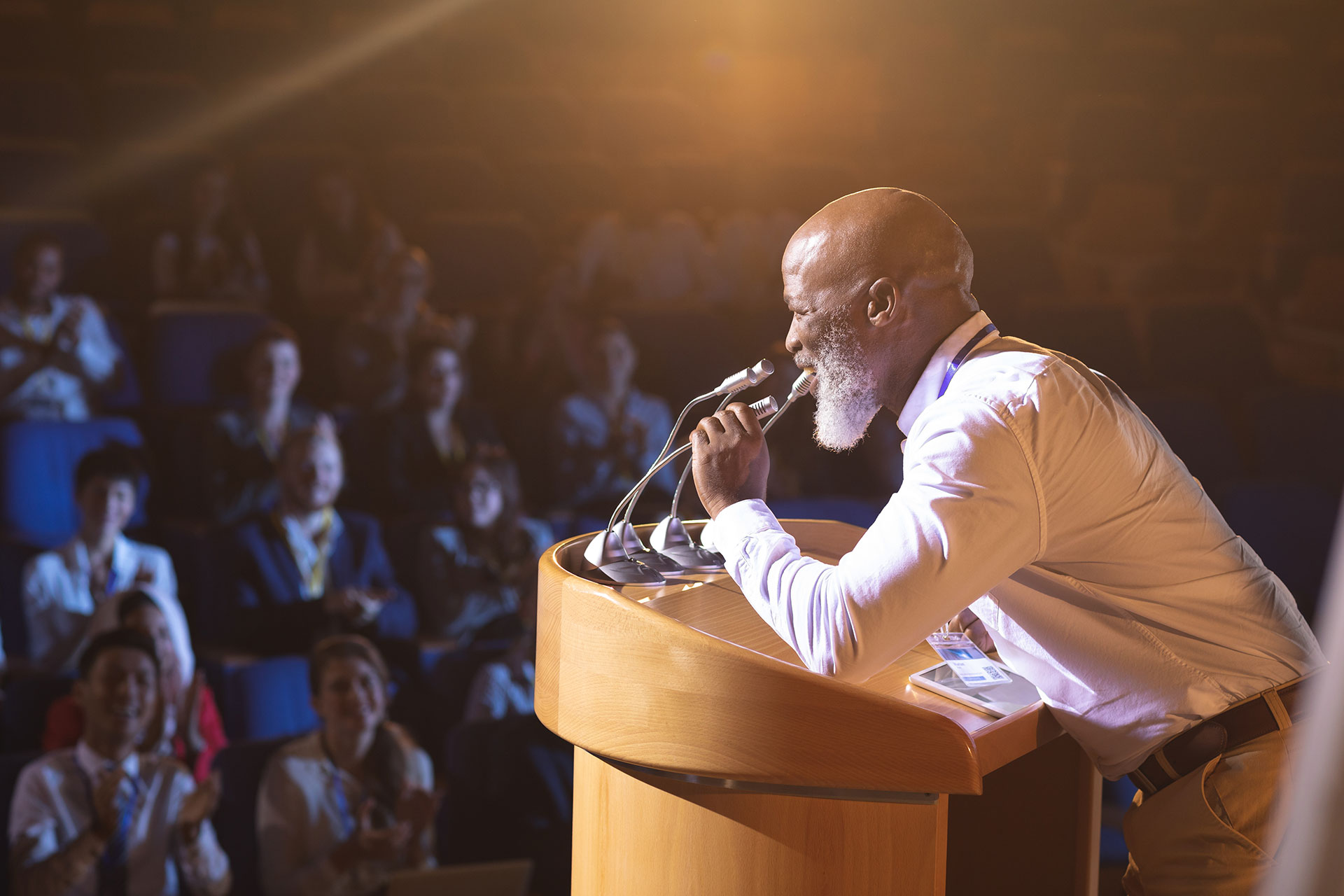
What you say matters! It is the main way that we convey our emotions, needs, and ideas. At Jacob Burton Studios, we are all about getting your voice to serve you better. You should sound like the confident and intelligent person that you are! So, who needs to work on their speaking voice? Voice Over artists? Actors? Yes! Working in

So you’ve done your vocal training… you know the song(s) you’re going to perform… you have your moves mapped out…you have picked THE perfect outfit… but something’s missing. What is it? Chances are, it’s the ever-elusive emotional connection. Have you ever watched or listened to a vocal performance and thought, “hmm.. every note was right, they nailed the riffs and runs…

Let the bodies hit the floor! Today is your 10-cent tour of the art and anatomy of screaming. I’m gonna get specific about what these visceral sounds are, how our bodies create them, and how they can be a healthy addition to your toolbox. In order to properly explain such an extreme vocal technique, we need to have a quick

“The music business is the emotion business.” These were the very first words out of my professor’s mouth during Music Business 101 and I still remember them over a decade later. He continued by saying, “It is the song that makes the difference. Give the best singer the worst song and people will not see the full potential of the

When I was growing up, practicing for anything from the piano, voice lessons, recitals, performances, you name it- was not at the top of my “fun” list. To be honest, I hated practicing and found that I lacked the discipline to do it regularly. I loved being in lessons, and I loved performing, but forcing myself to sit down and

I’ve been a songwriter since I was six years old. I can still vividly remember the first time I wrote a song, sitting on the edge of my dad’s bed as he was strumming his guitar. He said, “Carrie! Make some words up to this melody.” I didn’t even think twice about it; I just started spitting out random words

One of the most frequently asked questions I get is how I got started as a background singer. If we took it alllllll the way back, I’d say it was my parent’s background singing on the worship team in church when I was growing up. I remember we’d be in the car to and from choir rehearsals, and they’d have

Coming into your own as an artist takes time. It does not happen in an instant. I spent most of my time working for other artists as a freelance background singer, session vocalist, and vocal coach. I always had written songs and performed them, but I never really felt like an artist. When you are conforming to other people’s vision,

Whether you are singing background vocals on a country album or choir vocals for a classical composer, session singing is a big part of the music industry for a vocalist. It is a great way to earn a living, make connections, and to be a part of some really special projects. Throughout my career I have been fortunate enough to

“I loved opera, but not enough to go to grad school [for it]… Years later my husband and I joined a church and I began leading worship.”

Do you want to begin writing with other songwriters, but are too nervous to start? Have you co-written, but feel like you’re hitting a wall? Have no fear! At Jacob Burton Studios we’ve got your back, and some great tips to build the confidence you need to get started as well as ideas to keep things fresh in future co-writing